
Introduction
In today’s world of diverse social applications, Tagged, as a long-established social platform, still boasts a stable user base in many countries. It’s neither as focused on familiar social connections as Facebook, nor as strongly matched dating apps like Tinder, but rather falls somewhere between a “social network + casual dating” platform. So, what exactly is Tagged? What are its core functions? Is it still worth using in 2026? What are its alternative products? This article will provide a comprehensive, objective, and in-depth analysis of Tagged, focusing on this core keyword.
What is Tagged?
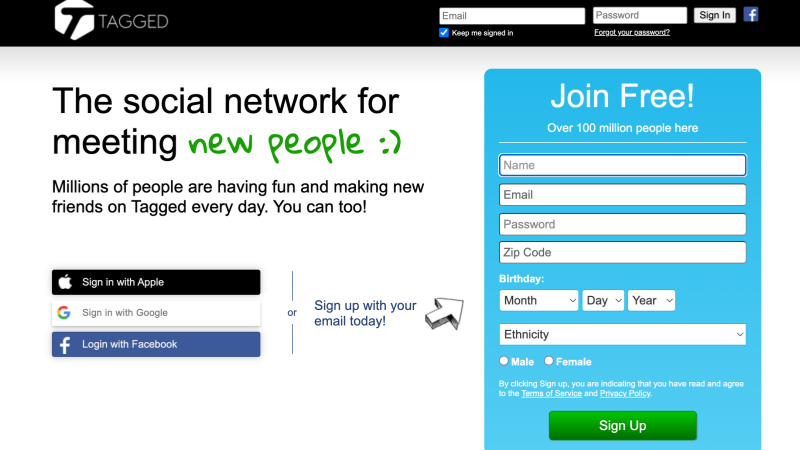
Tagged is a social platform with “meeting new friends” as its core goal. First launched in 2004, it was initially positioned as a social network, but later gradually expanded towards dating and online entertainment. Users can use Tagged to meet strangers from different countries and regions, chat and interact, and even develop friendships or romantic relationships.
Unlike traditional social networking among acquaintances, Tagged app emphasizes “discovery” and “interaction” rather than existing interpersonal relationships. This is a key reason why it has long been considered a supplementary social product to platforms like Facebook and Instagram.
Core Functions of Tagged
1. Profile and Interest Display
On Tagged dating app, users can create relatively complete profiles, including:
- Nickname and avatar
- Age, gender, and location
- Interests and personality tags
This information directly influences the types of users the system recommends to you. Compared to anonymous chat applications with extremely simplified profiles, Tagged strikes a balance between “authenticity” and “determinability.”
2. Meet Me: Core Matching Function
Meet Me is one of Tagged’s most representative functions, similar to a swipe-based matching mechanism. The system displays other users’ profiles, and you can choose to “Like” or “Skip.”
When both parties like each other’s profiles, a chat can begin. This mechanism lowers the psychological barrier to initiating conversations and reduces the probability of being disturbed.
3. Instant Chat and Interaction
After a successful match, users can communicate through the built-in chat system. Supported features include:
- Text chat
- Emoticons and stickers
- Gift interaction (some require virtual currency)
The chat experience is generally smooth, but free users face some limitations in initiating conversations.
4. Gamified Social Design
Tagged includes various casual social games, such as pet raising and points challenges. Users can interact with others through games, increasing engagement. This “entertainment + social” design is one of the key differences between Tagged and traditional dating apps.
5. Virtual Currency and Value-Added Services
Tagged uses a virtual currency (Credits) system, primarily for:
- Sending virtual gifts
- Increasing exposure
- Viewing who viewed your profile
While these features are not essential, they do impact interaction efficiency in a competitive social environment.
User Group Analysis of Tagged
Overall, Tagged’s user base is quite international, with a significant number of active users in North America, Latin America, Southeast Asia, and parts of Europe.
User characteristics include:
- Age concentrated between 20 and 40 years old
- Open to meeting strangers
- Not pursuing extremely serious romantic relationships
If you’re looking for casual chatting, cross-cultural communication, or expanding your social circle, Tagged’s positioning is relatively suitable.
Tagged Key Benefits
- Low barrier to entry
The registration process is simple, allowing new users to quickly start browsing and interacting, making it ideal for social networking beginners.
- High degree of internationalization
Compared to many regional social applications, Tagged makes it easier to meet users from different countries, making it suitable for language learners or cross-cultural communicators.
- Relatively relaxed social atmosphere
The platform doesn’t emphasize “high-intensity matching” or “quick finding a partner,” resulting in less pressure and making it more like a social playground.
- Diverse interaction methods
Chatting, matching, games, gifting, and other functions coexist, offering rich interaction paths and preventing monotony.
Disadvantages and Controversies of Tagged
- Significantly Limited Free Features
For free users:
- Limited number of proactive chats
- Low exposure
Without paying a certain amount, the experience may be significantly limited.
- Inconsistent User Quality
Due to the low registration threshold, some user profiles are incomplete, and there may even be marketing or bot accounts, requiring users to verify their credentials.
- Outdated Interface Design
Compared to the minimalist apps popular in recent years, Tagged’s overall UI is more traditional, limiting its appeal to younger users.
- Low Matching Rate for Serious Dating
If your goal is to enter a long-term, stable relationship quickly, Tagged is not the optimal choice.
Is Tagged Safe?
In terms of security, the Tagged dating site offers:
- Reporting and blocking mechanisms
- Privacy settings options
- A basic account verification system
However, users still need to maintain basic cybersecurity awareness, such as:
- Not disclosing personal privacy casually
- Being cautious about money-related requests
Overall, Tagged’s security level is medium in the industry.
Tagged Alternatives: Recommended Replacements
If you feel that Tagged doesn’t fully meet your needs in terms of interface design, user quality, or payment restrictions, then the following Tagged dating alternatives are worth considering. Different platforms have different focuses in terms of positioning and user experience, so you can choose according to your social goals.
1. Tinder: Quick Matching with Clear Goals
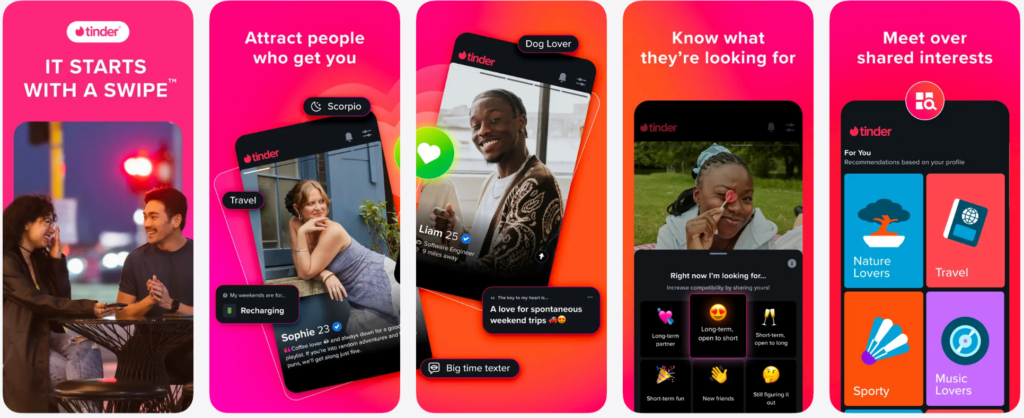
Tinder is one of the world’s most well-known swipe-based dating apps. Compared to Tagged, its core advantages are:
- High user activity
- Fast matching efficiency
- More modern product design
However, it should be noted that Tinder’s social goals are relatively direct, leaning more towards dating relationships, and it’s not suitable for users who just want to chat casually or make ordinary friends.
2. Bumble: More Focused on Safety and Initiative
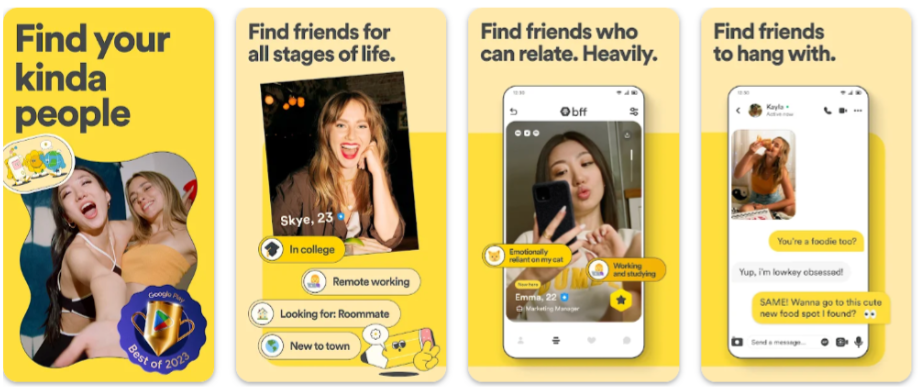
Bumble’s biggest feature is “women-first chat,” performing well in terms of safety and social atmosphere. As a Tagged alternative, it’s suitable for:
- Users who value the quality of communication
- People who want to reduce spam messages
The disadvantages are stricter matching time restrictions and a smaller user base in some regions compared to Tagged.
3. Badoo: A Global Stranger Social Platform
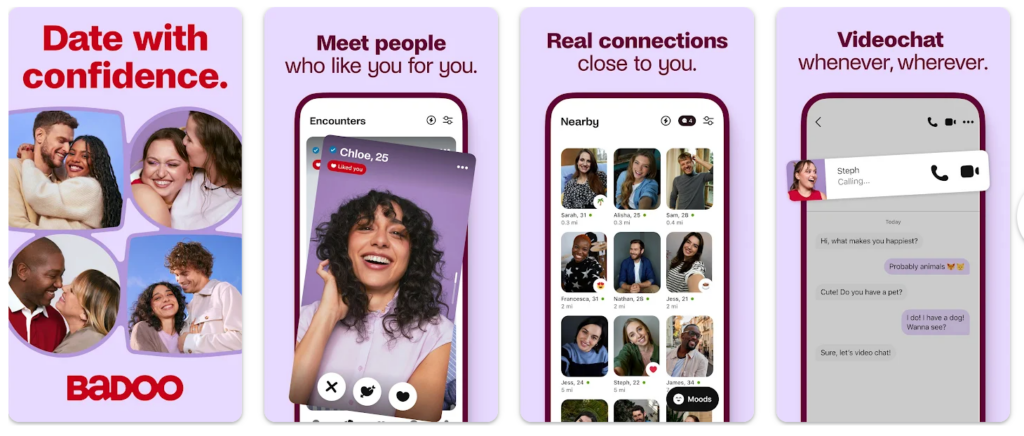
Badoo is very similar to Tagged in its positioning, emphasizing meeting new friends and cross-regional social interaction. Its advantages include:
- Large international user base
- More intuitive “People Nearby” feature
- Relatively user-friendly free features
If your main purpose for using Tagged is to meet people from different countries, Badoo is a very natural alternative.
4. Skout: Light Social and Chat-Oriented
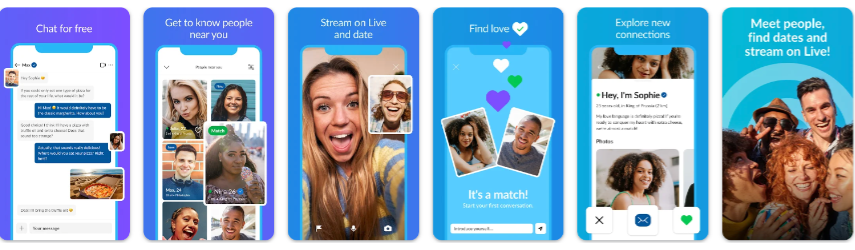
Skout leans more towards instant messaging and real-time interaction, suitable for users who don’t want to spend too much time completing profiles and just want to communicate directly. Compared to Tagged:
- Faster social pace
- Stronger entertainment value
However, the success rate of long-term relationships is relatively low, making it more suitable for short-term or light social needs.
5. MeetMe: A Platform Similar to the Tagged Ecosystem
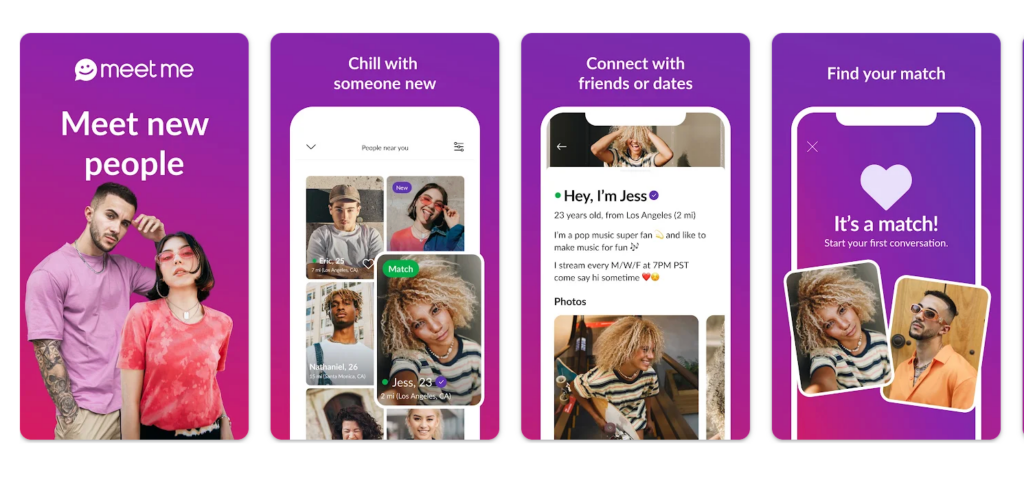
MeetMe and Tagged belong to the same company, with highly similar product logic and user experience, including matching mechanisms, virtual gifts, and live streaming elements. If you are already used to Tagged’s usage but want to try a different user pool, MeetMe is the lowest-cost alternative.
Is Tagged Still Worth Using?
In summary, Tagged isn’t a perfect social platform, but it still has value in the following scenarios:
- Want to meet new friends from different countries
- Want to chat casually, rather than pursue serious relationships
- Can accept a certain level of advertising and paid features
If you’re looking for a “slow-paced, lightly interactive, and diverse social experience,” dating app Tagged is still worth a try.
FAQs
1. Is Tagged a dating app or a social platform?
Tagged leans more towards a light social platform, somewhere between a traditional social network and a dating app. It allows chatting and making friends, but doesn’t force users into romantic relationships.
2. Is Tagged free to use?
Yes. Tagged offers free registration and basic functions, but some features (such as more chat privileges and increased exposure) require virtual currency or payment to unlock.
3. Are the users on Tagged real?
Most users are real, but due to the low registration threshold, there may still be inactive accounts, marketing accounts, or bots. Users need to verify their accounts themselves.
4. Why is my Tagged app not working?
The Tagged app may not be working due to server issues, an unstable internet connection, an outdated app version, or temporary account restrictions. Try restarting the app, checking your network, updating Tagged to the latest version, or logging in again. If the problem continues, contacting Tagged support is recommended.